
Call us toll free:
86-536-2531172
Sprayer tyres, Rice transplanter tires and wheels, Agricultural tyres, tractor tires, Industrial Tyres, OTR Tires, skid tires, truck tires
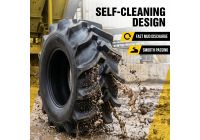
Rice farming requires tractors to operate in extremely soft, wet, and muddy conditions. Choosing the right bias R1 tractor tire for rice paddy fields is essential to ensure strong traction, durability, and cost-efficient farming operations.
Compared with radial tires, bias agricultural tires are widely used in rice farming because of their strong sidewalls, puncture resistance, and lower cost. This makes them a practical choice for farmers using small and medium tractors.
This guide explains how to choose the best bias R1 agricultural tire for rice paddy applications.
Bias tires are constructed with diagonal cord layers, creating a robust tire structure that can handle rough agricultural environments.
Key advantages include:
For many rice farmers, bias R1 tires provide a dependable and economical solution for daily field work.
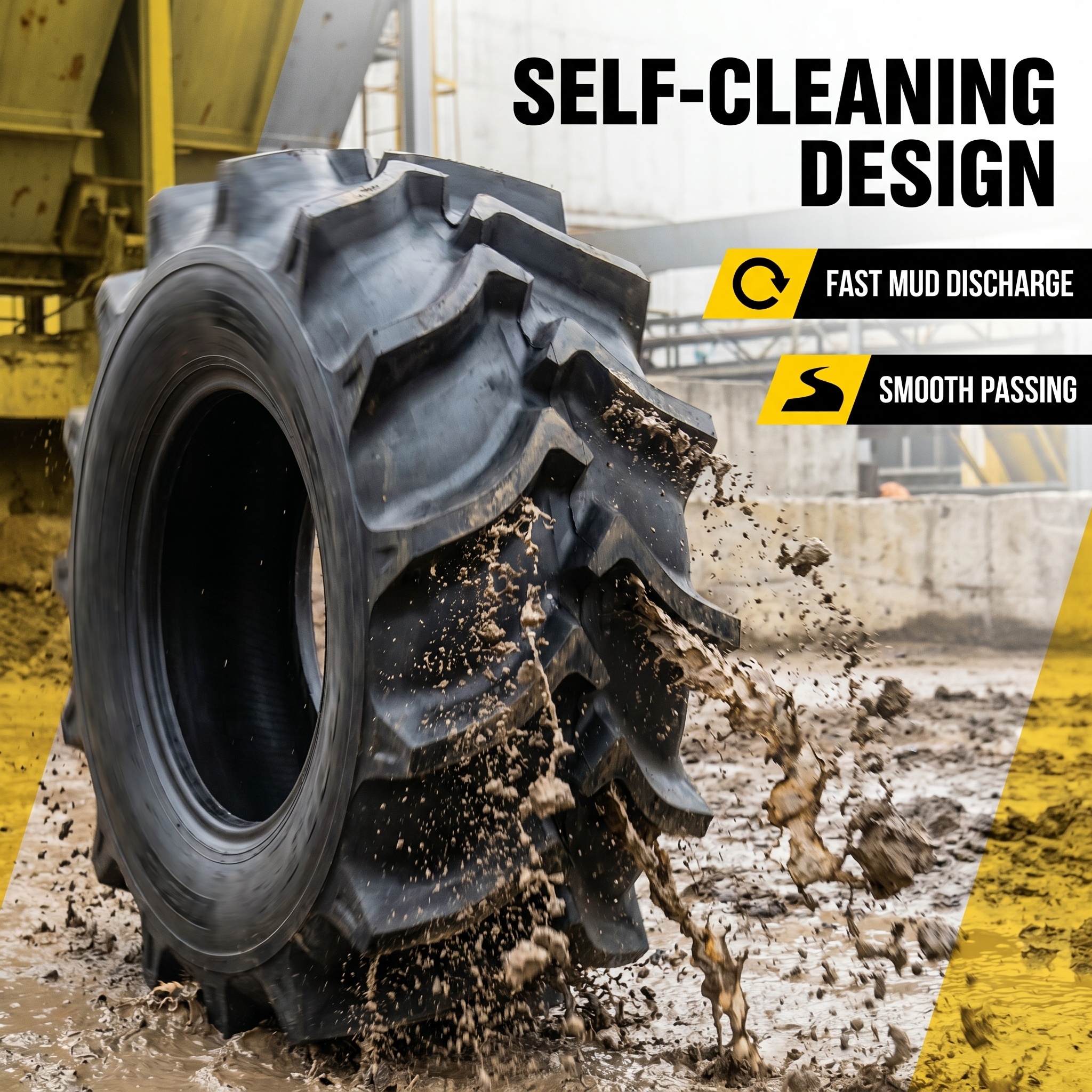
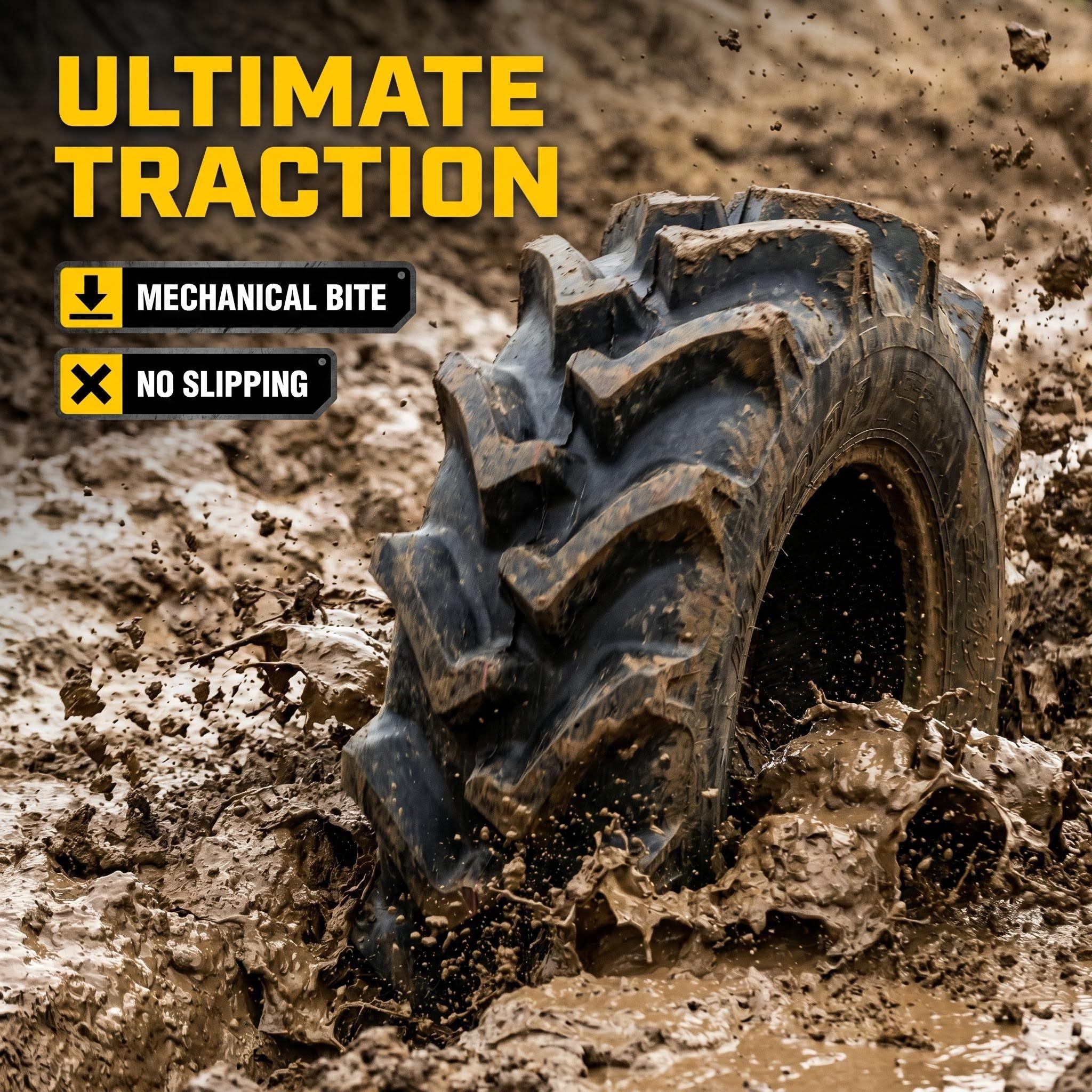
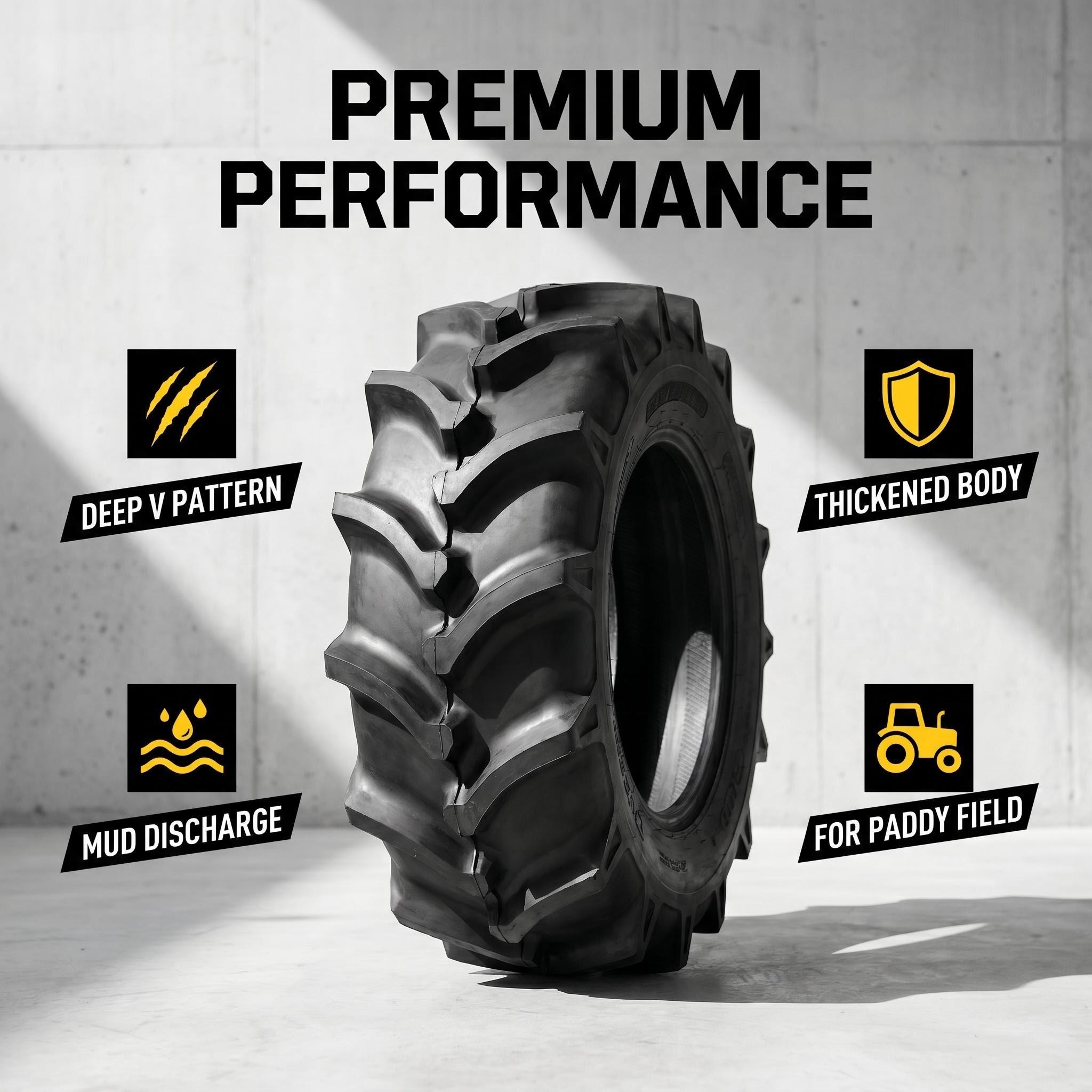
Rice paddies require tires with excellent traction and self-cleaning capability.
A good bias R1 tire should include:
These features allow tractors to move smoothly in wet soil while reducing wheel slip.
Using the correct agricultural tire size improves flotation and stability in paddy fields.
Common bias R1 tractor tire sizes include:
Larger tires can distribute tractor weight more evenly, helping reduce sinking in muddy fields.
Bias agricultural tires are rated by ply rating (PR), which determines their load capacity and durability.
Typical options include:
Choosing the correct ply rating ensures the tire can handle field loads without premature wear.
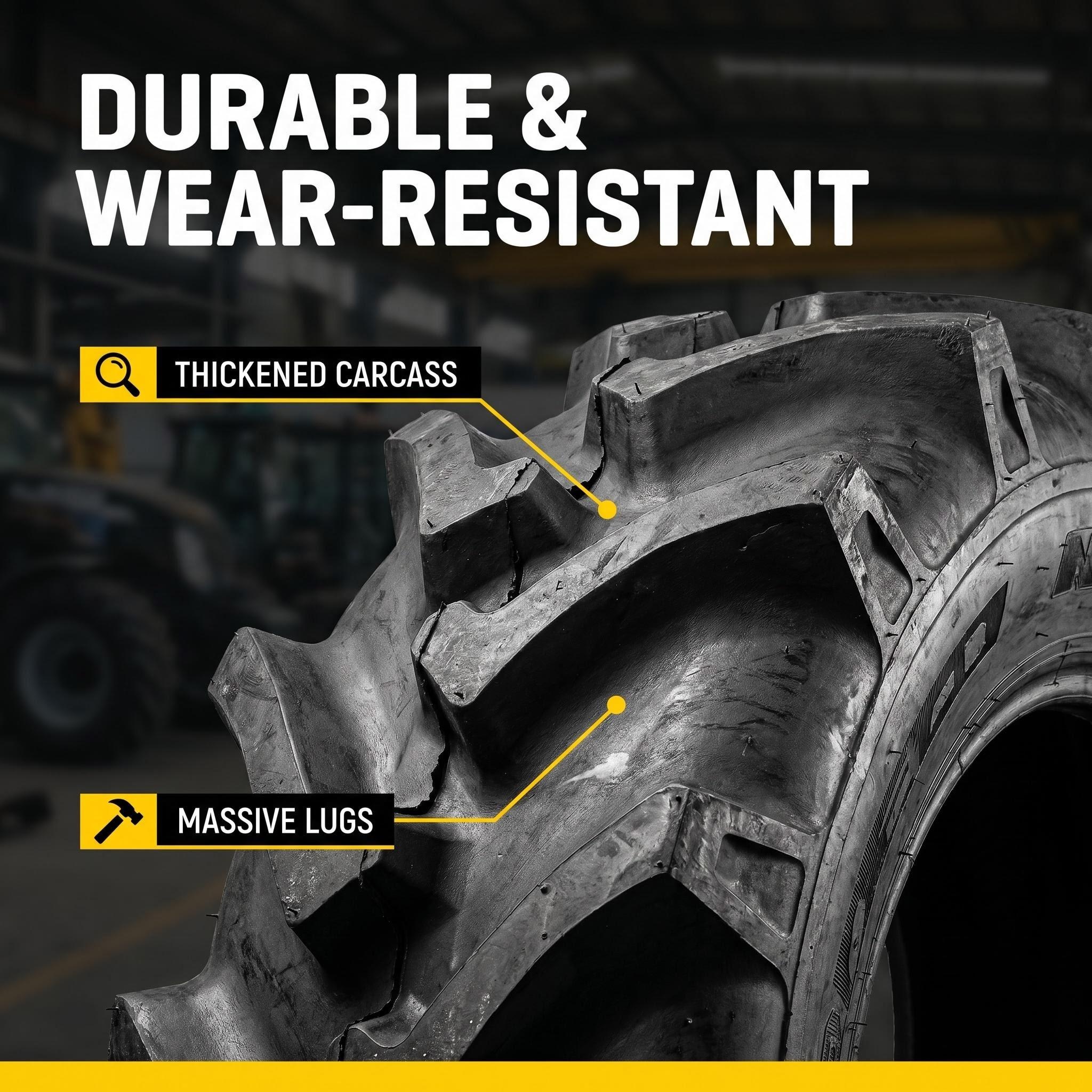
Rice farming environments often include water, fertilizer residue, and sharp objects. High-quality bias tires should use:
These features help extend tire life and reduce downtime during the farming season.
Selecting the right bias R1 tractor tire for rice paddy fields can significantly improve traction, durability, and farming efficiency. By focusing on tread design, tire size, and ply rating, farmers can ensure their tractors perform reliably in muddy agricultural environments.
For many rice farming operations, bias R1 agricultural tires remain a practical and cost-effective solution for tractors working in wet paddy fields.
An R1 tractor tire is a standard agricultural tire with deep angled lugs designed for maximum traction in soft soil and farming fields.
Yes. Bias tractor tires are widely used in rice paddies because they offer strong sidewalls, puncture resistance, and affordable pricing.
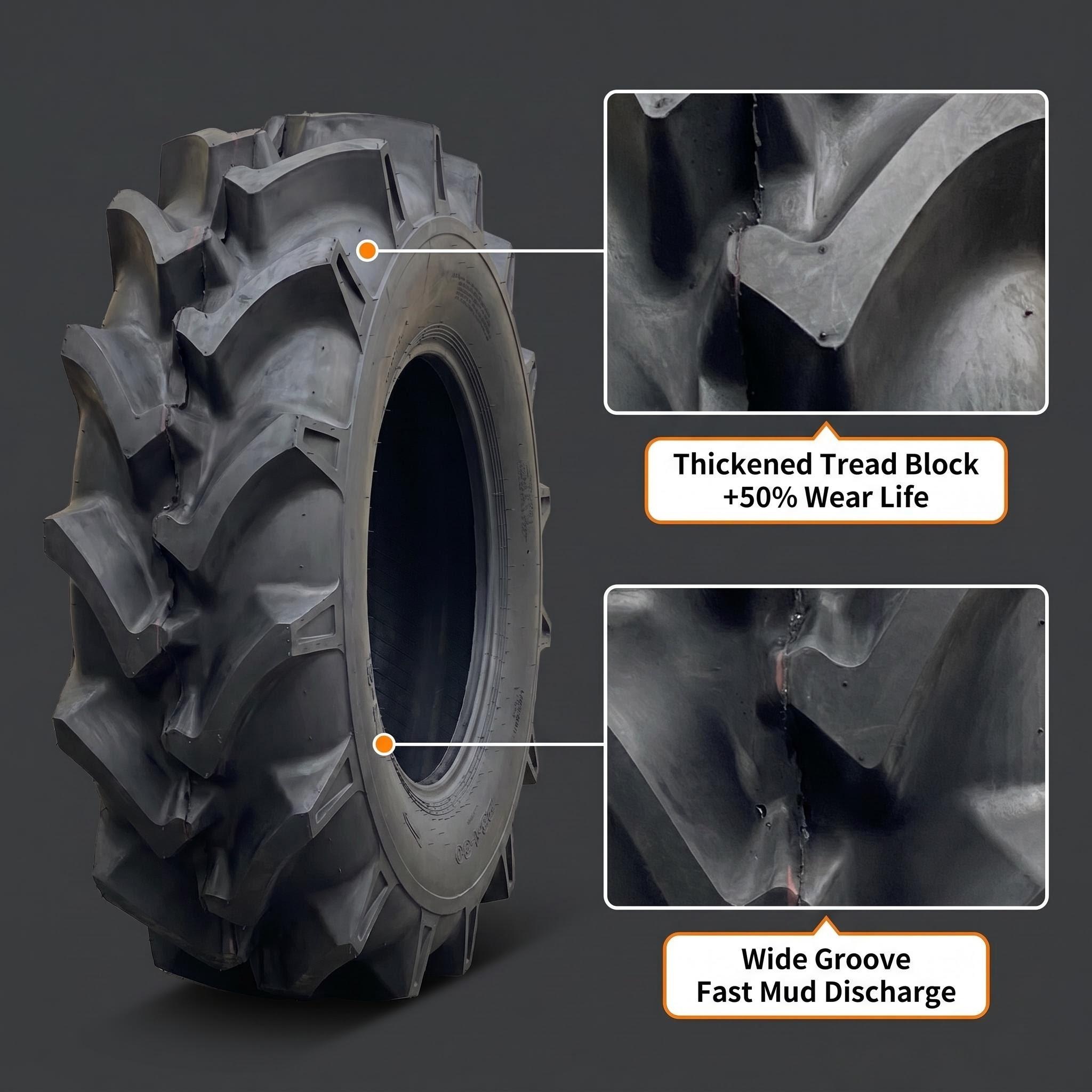
Deep-lug R1 tread patterns with wide spacing are best for muddy fields because they improve traction and self-cleaning.
Radial tires provide better fuel efficiency and larger contact areas, while bias tires are stronger, cheaper, and more resistant to damage in harsh farming conditions.